Tea, Shaped by Eight Centuries
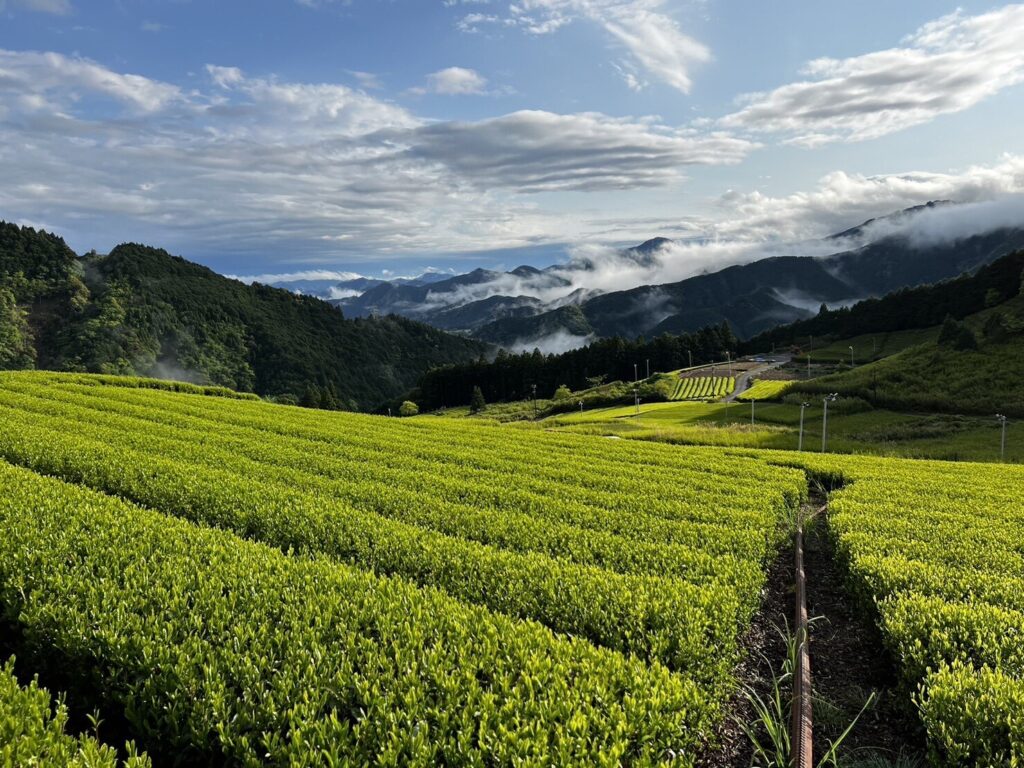
The Beginning of Tea in Shizuoka
It is said that tea seeds were brought from Song-dynasty China by the Zen monk Shōichi Kokushi and planted in Ashikubo, in the mountains north of present-day Shizuoka City. From there, tea cultivation gradually took root along the Abe River and Warashina River valleys.
Tea for the Shogun
Centuries later, Shizuoka became closely associated with Tokugawa Ieyasu. After founding the Tokugawa shogunate, which governed Japan for more than 260 years, Ieyasu spent his later life in Sunpu—present-day central Shizuoka. Tea from the surrounding mountains was valued by his court and is said to have been presented as goyōcha, tea reserved for the shogun’s household.
From the Mountains to Edo
As peace and travel expanded during the Edo period, tea cultivation grew across the region. What began in the mountain valleys became part of a wider culture of hospitality, trade, and daily life—carried from Shizuoka toward Edo, now Tokyo.
A Tradition Still Alive
Today, Shizuoka tea remains connected to this long continuity:
a craft shaped by mountain water, patient hands, and generations who chose to keep cultivating the land.